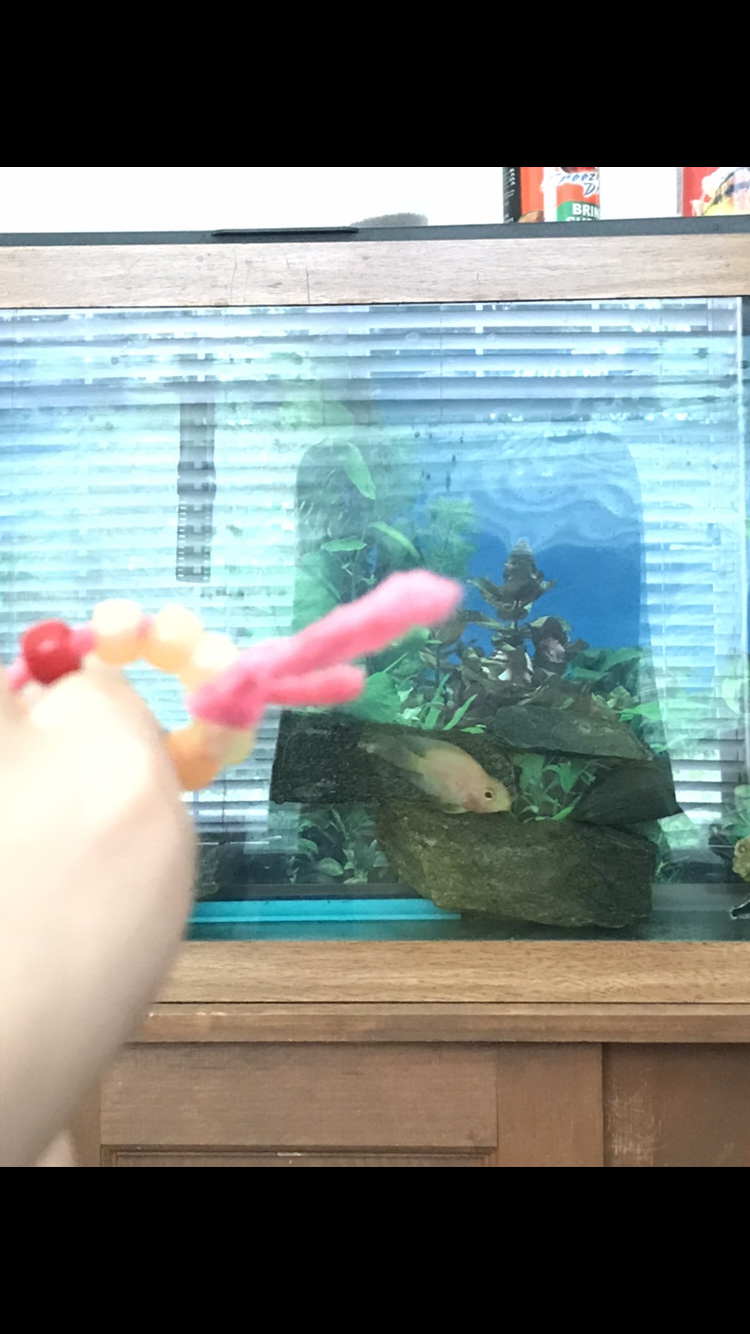
Enzyme – Proteins created by living organisms and act as biological catalysts. In the picture above, the fish has enzymes which helps his/her’s digestive and metabolic system. Some specific enzymes that fishes have are Pepsin, Trypsin, and Elastase. Enzymes are important for living things such as this fish by speeding up the rate of reaction by lowering the amount of energy it takes to start a reaction.
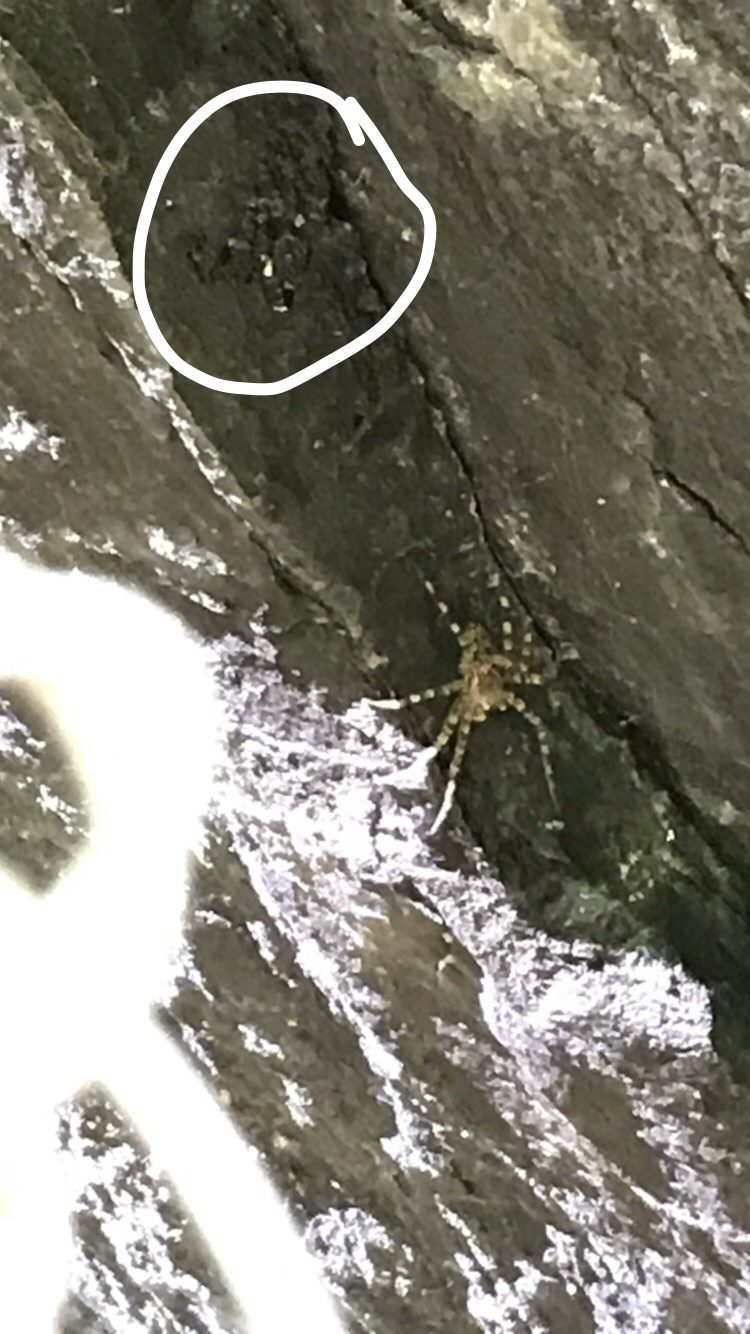
Adaptation of an animal – An organism that has a physical part which allows them to adapt to the environment by using their colors, body shape or patterns that can increase their fitness. For example, in this picture, the top spider adapts with the environment by blending in with the environment. This increases the spider’s fitness by avoiding predators by being harder to spot visually.
Nitrogen cycle – A cycle in moves nitrogen from the atmosphere into the world . The five important steps through the cycle are nitrogen fixation, nitrification, decay, and denitrification. This cycle is important because nitrogen is important to plant growth which is an important part of the ecosystem.
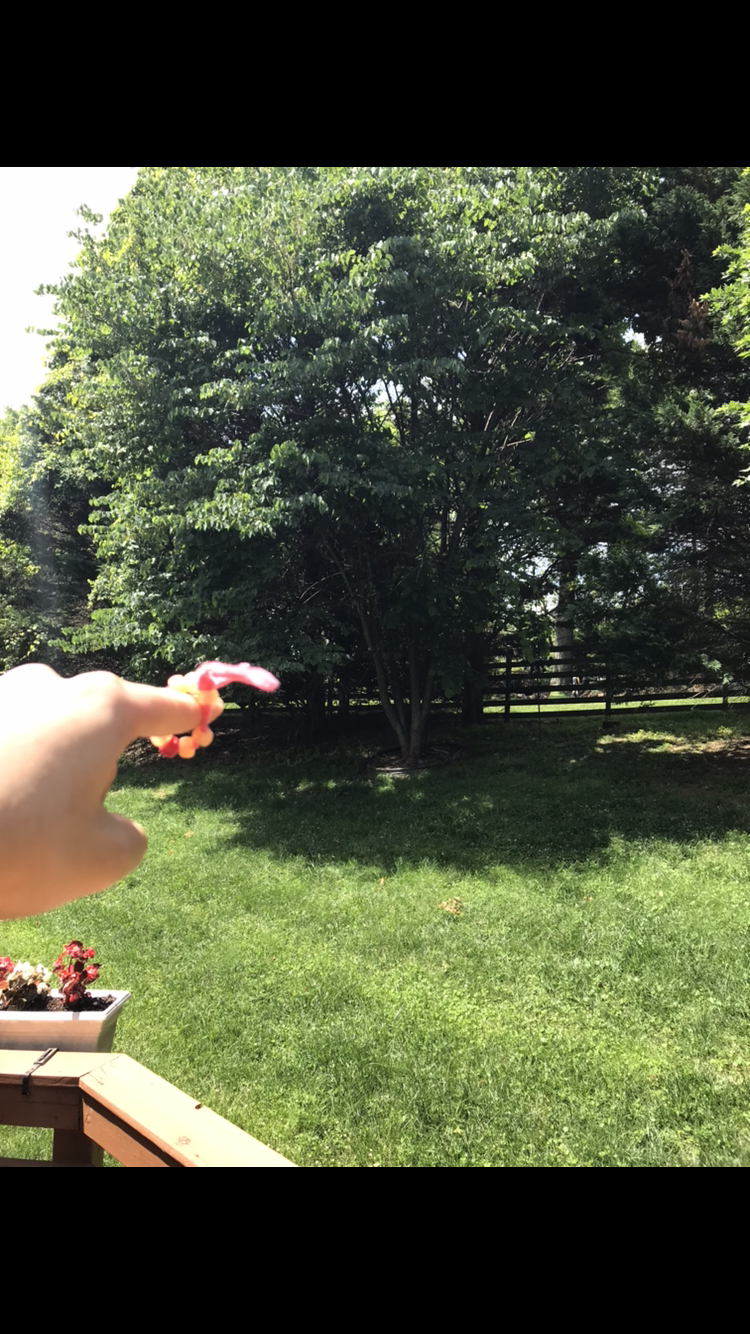
Pollen – The male gametes of plants that produces very small grains that look like yellow dust . In this picture, the grass, flowers and the trees are main producers of pollen that travels in the air. Pollen is very important because since it travels in the air, it helps new seeds be created which in turn creates new plants as seen in the picture.
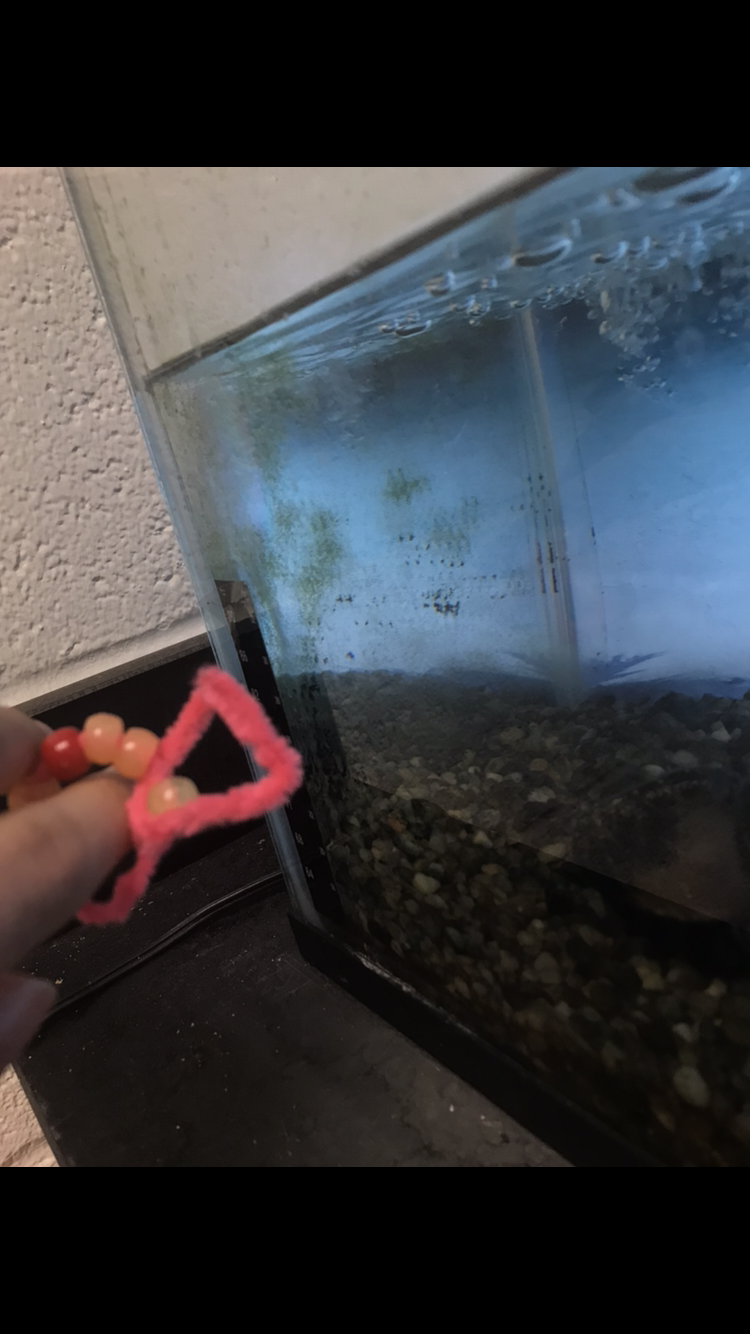
Asexual reproduction – The act in which a single organism produces an offspring without having sex. Asexual reproduction can happen through fission, budding, fragmentation, or parthenogenesis. The algae in the fish tank asexually reproduces by cell division or by fragmentation. If the algae is stronger than the average algae, it reproduces through spores.
Light reaction – This reaction takes place in the thylakoid membrane which converts solar energy into chemical. The products of the light reactions are NADPH, ATP, and O2. The chlorophyll absorbs the light energy which transfers elections from water to NADP+ which creates NADPH. During these reactions, water is split which will then release O2. Chemiosmosis then changes ADP to ATP which is called photophosphorylation. The photo above represents the light reaction because the reaction provides ATP and NADPH in order to make glucose for the plant to produce glucose.
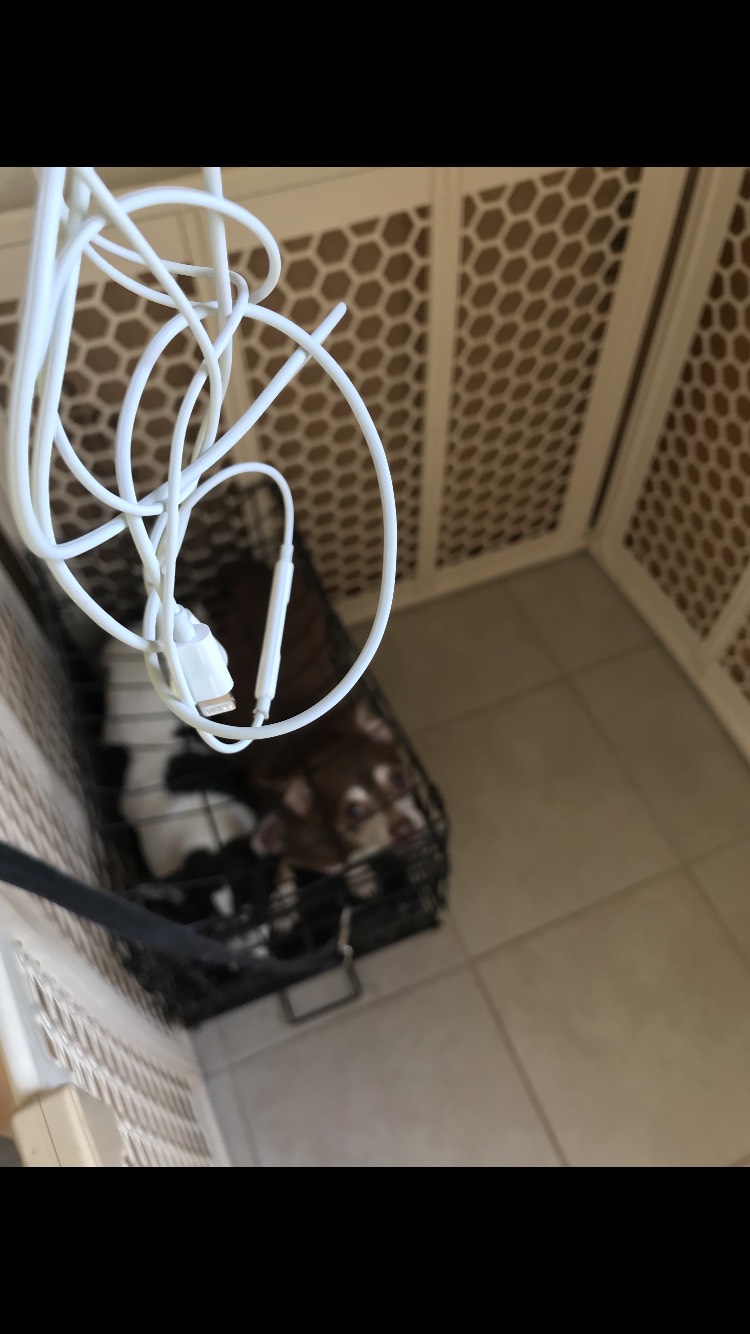
Cellular respiration – The process of breaking sugar down in order to make ATP that organisms use for energy. The dogs in this picture demonstrates cell respiration by breathing in oxygen in which is converted to ATP. Cellular respiration is important for these dogs as it provides energy for their cells to function properly.
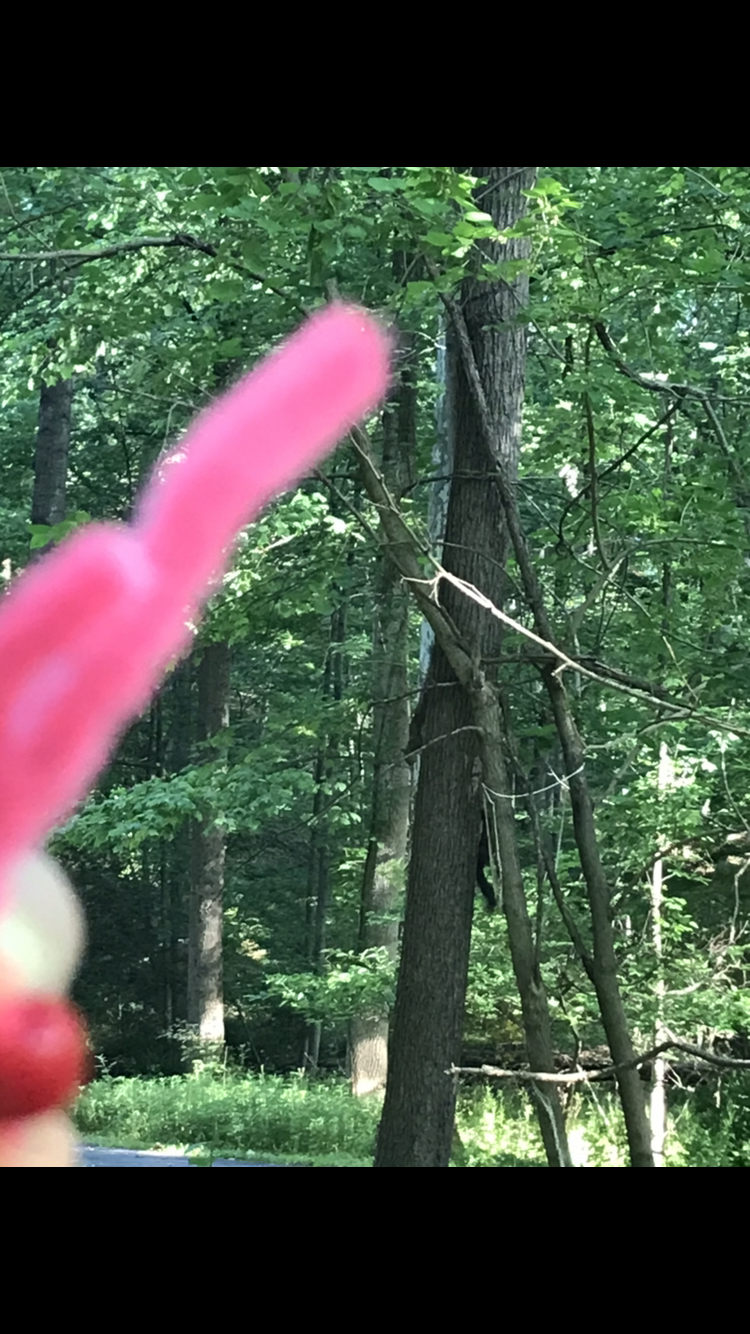
Neurons- Cells from the nervous system that can receive and transmit signals and is responsible for communicating information. In this picture, the motor neuron transmit signals to effectors such as muscle cells which is why the squirrel is able to climb up the tree. Neurons are important for organisms such as the squirrel by transmitting information to other nerve cells, muscle, or gland cells.
Osmosis- The net movement of water which goes from a high concentration to a low concentration. The slug demonstrates osmosis because if salt is applied to the slug, it will decrease the water potential on the slug’s skin. The water will leave the slug causing it to shrivel up and die.
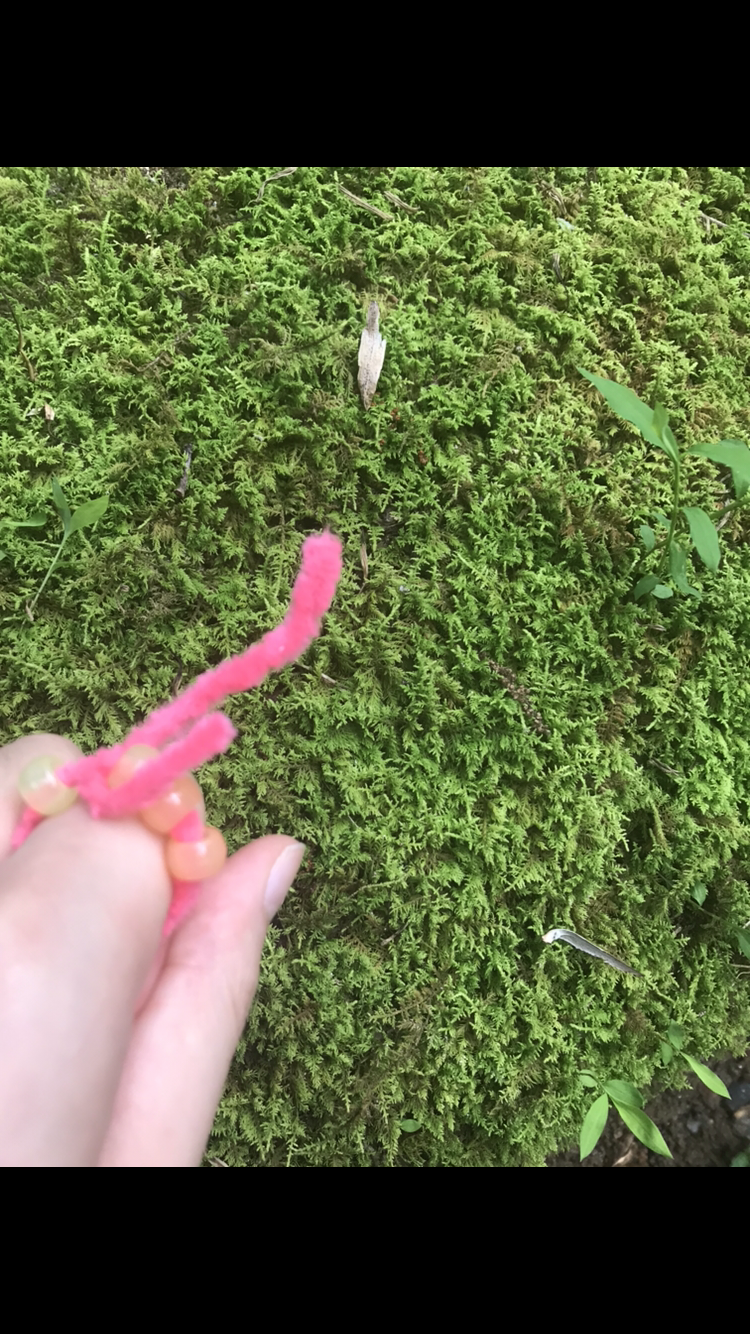
Population- A number of the same species that live in a certain area in a specific time. In this picture, the population depicted is of multiple blades of grass that live in a certain area which is on the field.

 Kevin's blog